Barot Valley Travel Guide
Barot isn't a place you rush through. Here's what to actually expect — the river, the roads, the food, and what there is to do.
Why come to Barot
There are no malls to visit here, and no checklist of cafes to conquer. Barot is a village in the Uhl river valley at about 6,000 ft, known to trekkers and anglers rather than hill-station tourists — river walks, forest trails, trout, an old hydel project, and long evenings beside the water. Stay two nights, slow down, and see what happens.
Barot Valley across four seasons.
Every season brings a distinct character to the Uhl River. Select a season to explore weather, packing advice, and culinary highlights.
Spring & Summer
Pleasant mountain days, riverside walks & trout season kickoff
The valley awakens with lush greenery, clear blue skies, and comfortable daytime warmth. Perfect for families, city travelers escaping heatwaves, and beginner anglers.
Seasonal Highlights
- Ideal weather for riverside walks without heavy winter layers
- Trout fishing season opens on the Uhl river
- Full access to high trails and waterfall routes in Luhardi
- Long daylight hours with pleasant evening balcony breezes
- •Light cottons & t-shirts
- •Light fleece or cardigan for evenings
- •Comfortable walking shoes
- •Sun hat & sunglasses
Fresh seasonal Pahadi greens, morning masala chai, and local trout preparations.
Explore Barot Valley around our home.
Click on the key landmarks across the valley to see travel times, local insights, and walking trails from Varun Home Stay.
Riverfront BaseHomestayVarun Home Stay (Our Base)
Nestled right on the banks of the Uhl River at ~6,000 ft altitude. Private balconies overlooking the water, home-cooked Pahadi meals, and mountain peace.
How to reach Barot
Barot is a mountain destination, so the final stretch is slower than the distance on the map suggests. Roads are generally motorable by regular cars, but conditions can change with weather — if you're unsure about the route, message us before you leave and we'll help you plan the best approach.
By rail
Jogindernagar station (narrow-gauge, PathankotÔÇôJogindernagar line) is ~37 km away ÔÇö about a 1-hour taxi ride to Barot.
By air
Bhuntar (Kullu-Manali) airport is ~120 km (4ÔÇô5 hr drive); Gaggal (Kangra) airport is ~114 km ÔÇö both connect to Delhi and Chandigarh.
By road
Barot is reachable via Mandi or via Jogindernagar, with regular HRTC buses from both. We're happy to help you plan the last stretch ÔÇö just WhatsApp us.
The Uhl River
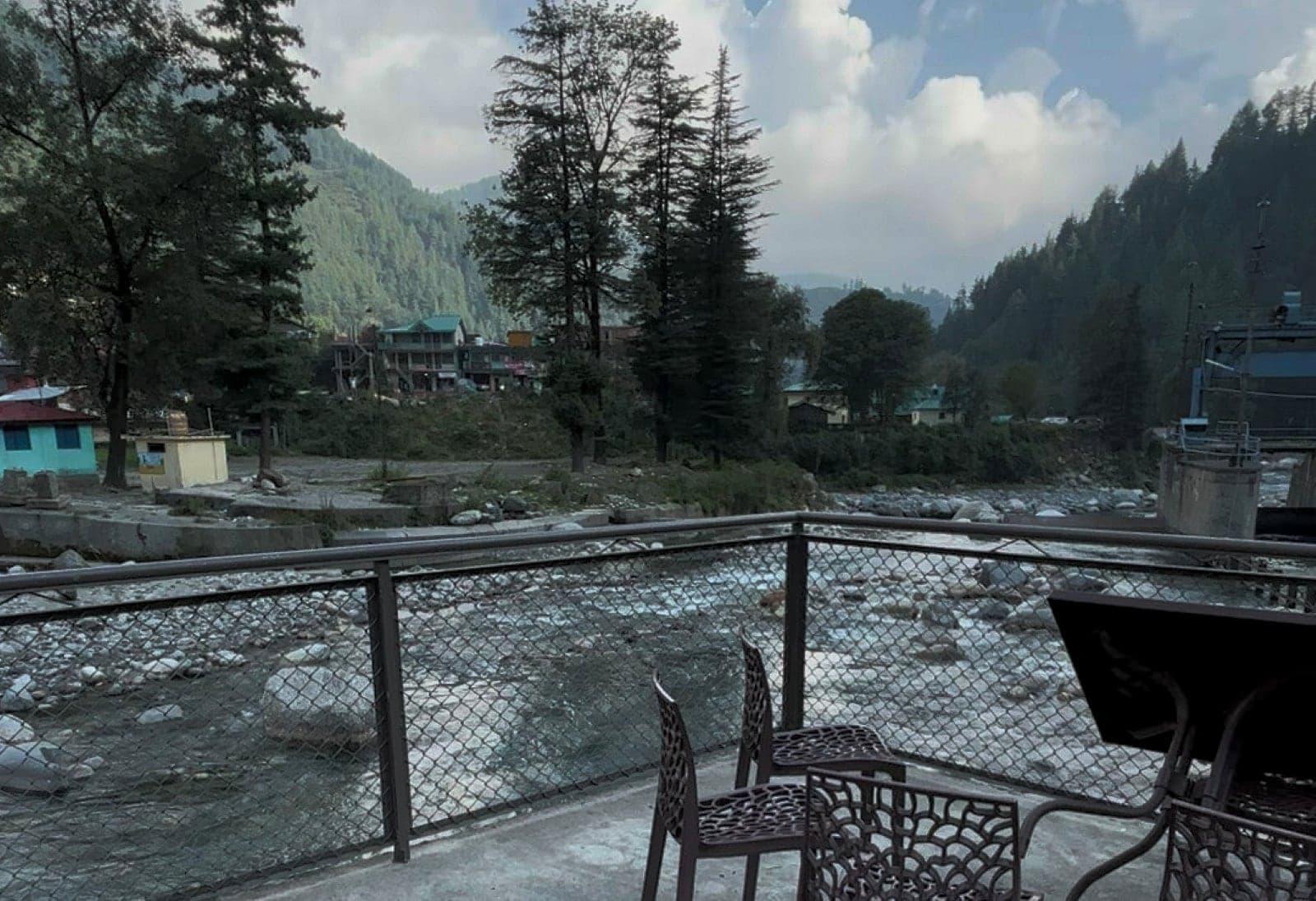
The Uhl runs right through Barot, and Varun Home Stay sits on its banks — River View rooms have balconies that look straight down onto the water. It's the reason most people come here in the first place: to walk along it, sit beside it, and fall asleep to the sound of it.
Trout, and trout fishing
Trout is one of Barot's local specialties. When it's available, ask us about a freshly prepared trout meal during your stay.
The Himachal Pradesh Fisheries Department has run a trout breeding centre here since 1959, about a 15-minute walk from the Uhl barrage ÔÇö open for visitors to see the incubation process.
A roughly 30 km stretch of the Uhl river is open for angling, drawing domestic and international anglers, especially in the peak season from late August to October. Permits are handled by the state Fisheries Department, not by us directly — ask when you arrive and we'll point you in the right direction.
Shanan Hydel Project
A British-era reservoir and power station on the Uhl ÔÇö India's first hydro project with megawatt capacity ÔÇö adds to Barot's scenic backdrop.
Nargu Wildlife Sanctuary
Barot is the gateway to this sanctuary across the Uhl, home to monal pheasants, black bear and ghoral.
Walks and treks
Nargu Wildlife Sanctuary
Across the Uhl from Barot
Barot is the gateway to this sanctuary across the Uhl, home to monal pheasants, black bear and ghoral.
BarotÔÇôKothi Trek
~13 km
A roughly 13 km trekking route through forest, one of several trails from Barot toward Bada Bhangal and Kullu.
Route Toward Bir & Billing
Via Rajgundha
Barot also connects, via Rajgundha, toward Bir and the Billing paragliding site for those continuing on.
The village
Barot is small, and most of what there is to do here happens at walking pace — wander through the village, cross the river, watch the water. The local temple dedicated to the area's rain deity, Dev Pashakot.
What to eat
Home-cooked Himachali meals, prepared to order and charged separately ÔÇö ask us what's cooking during your stay. Ask what's cooking — hot siddu and dal are regulars, and trout when it's available.
How many nights
Most guests find two to three nights enough to properly slow down — one night barely gives you time to settle in.
Where to stay in Barot
Varun Home Stay is a family-run riverside homestay right on the Uhl, 4 rooms across four kinds of stay, from ₹1,199 a night.
Questions about Barot
Is the river actually next to the property?
Yes ÔÇö the Uhl runs right past the property. Our River View rooms have balconies that look straight down onto the water.
What can I do in Barot without trekking?
Plenty ÔÇö walk along the Uhl, visit the old Shanan Hydel project, see the trout hatchery, or just spend the day around the village. Trekking is optional, not required.
Can I go trout fishing?
Trout fishing is possible on a stretch of the Uhl near Barot in season (roughly April to October, peak late August to October). Permits are handled by the state Fisheries Department ÔÇö ask us when you arrive and we'll point you in the right direction.
How many nights should I stay?
Most guests find two to three nights enough to properly slow down ÔÇö one night barely gives you time to settle in.
Is the road suitable for a normal car?
Generally, yes ÔÇö the roads into Barot are motorable by regular cars. The last stretch is mountain road, so it's slower than the map suggests, and conditions can change with weather. WhatsApp us before you leave if you want a read on current conditions.
What is the best time to visit?
Barot is pleasant for most of the year. Trout season (AprilÔÇôOctober) is popular with anglers, and the monsoon months (roughly JulyÔÇôAugust) can mean heavier rain and slower roads ÔÇö outside of that, most months work well.